- drsushant@gmail.com
- 088009 16525
- OPD: 06:00PM - 08:00PM
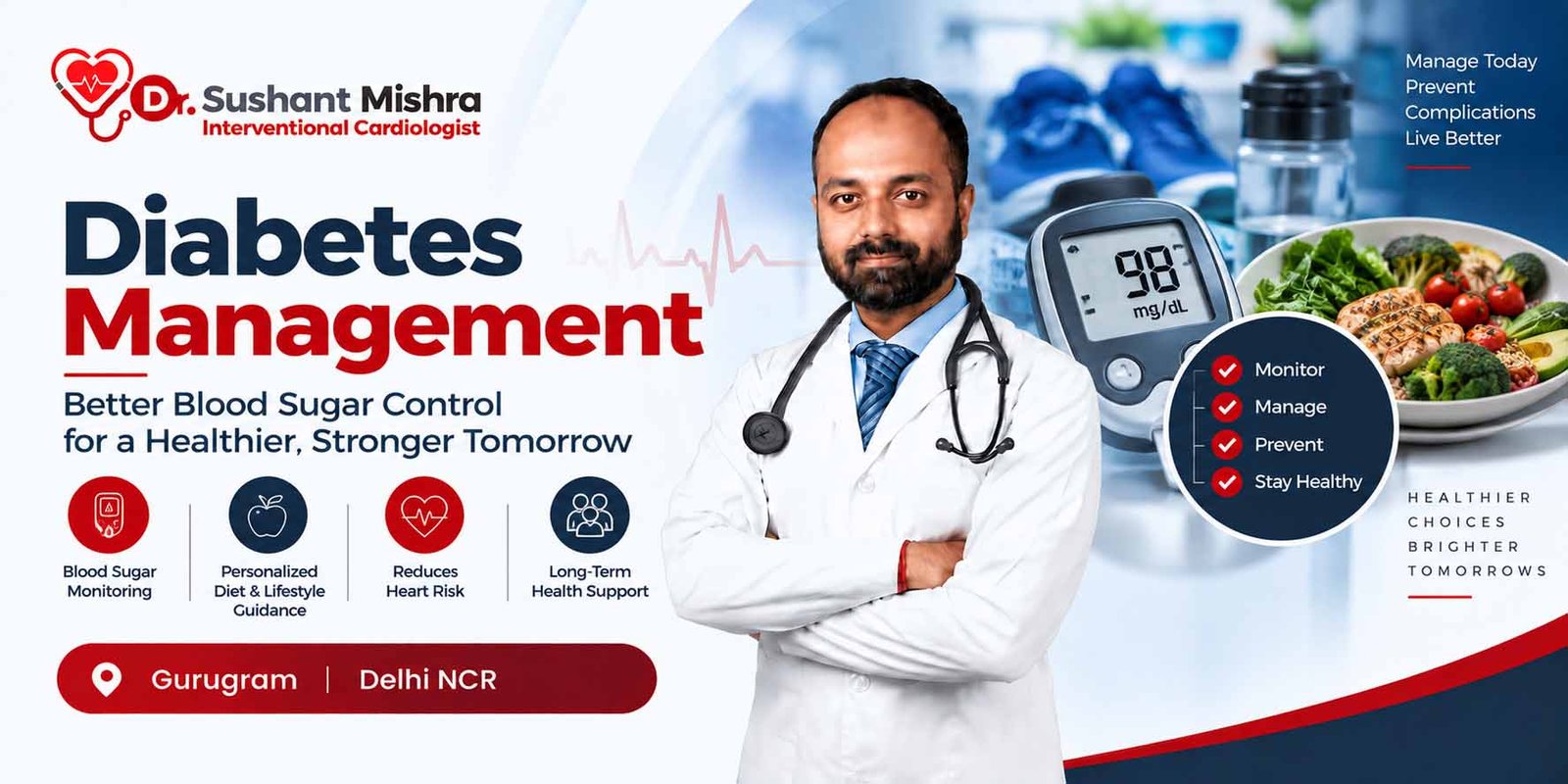
Diabetes is a long-term condition in which blood glucose levels remain higher than normal because the body does not produce enough insulin or cannot use insulin effectively. Effective diabetes management focuses not only on controlling blood sugar but also on reducing the risk of complications affecting the heart, kidneys, eyes, nerves and blood vessels.
Diabetes management is individualized according to the type of diabetes, blood glucose levels, age, lifestyle, medications and other medical conditions. Regular monitoring and timely treatment adjustments can help patients maintain better long-term health.
Management may include:
Type 2 diabetes is the most common form of diabetes. Management generally combines healthy eating, regular physical activity, weight management and medication when clinically indicated.
Treatment goals are individualized rather than using the same blood glucose target for every patient.
Persistently elevated blood glucose can increase the risk of long-term complications. Patients may experience increased thirst, frequent urination, tiredness, blurred vision or unexplained weight changes, although diabetes can also occur without obvious symptoms.
Blood tests such as fasting glucose, post-meal glucose and HbA1c can help assess glucose control.
Diabetes is an important cardiovascular risk factor. Long-term diabetes management therefore also involves attention to blood pressure, cholesterol, body weight, smoking status, physical activity and other cardiovascular risk factors, rather than focusing only on blood sugar.
Regular medical follow-up can help identify complications at an earlier stage. Depending on the individual patient, monitoring may include kidney function and urine tests, eye examinations, foot assessment, blood pressure and lipid testing.
Healthy lifestyle habits remain an important part of diabetes care. Patients are generally encouraged to follow a balanced diet, stay physically active, maintain a healthy weight, get adequate sleep and take prescribed medicines consistently.
Diet and exercise plans should be personalized, particularly for patients taking insulin or medicines that can cause low blood sugar.
Medical evaluation is advisable if you have persistently high blood sugar, increased thirst or urination, unexplained weight changes, recurrent low blood sugar, difficulty controlling diabetes, or other symptoms that may be related to diabetes.
Yes. Many people can manage diabetes effectively through an individualized combination of lifestyle measures, monitoring and medication.
The appropriate interval depends on current glucose control and treatment. Your doctor can recommend a testing schedule based on your individual situation.
No. Treatment depends on the type of diabetes and individual clinical needs. People with type 1 diabetes require insulin, while treatment for type 2 diabetes varies.
Yes. Diabetes is associated with an increased risk of cardiovascular disease, making management of blood pressure, cholesterol and other risk factors important.
Lifestyle measures are important, but whether medication is required depends on the individual's diabetes type, glucose levels and overall health. Medicines should not be stopped without medical advice.
